

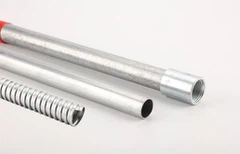

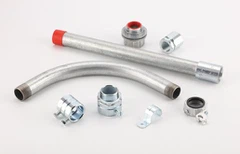


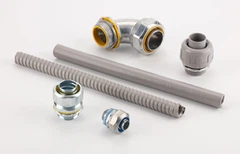
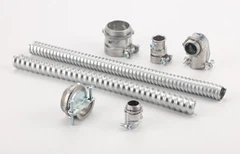



Flexible conduit excels in situations that call for maneuverability, such as machinery that moves or equipment that needs to be repositioned regularly. It is faster to install, adapts well to uneven surfaces, and requires fewer fittings. However, it may not provide the same degree of physical protection as a rigid option.
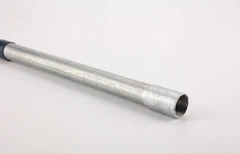
Rigid conduit is commonly used for permanent, high-traffic areas where cables need to be shielded from accidental impact or tampering. Though it takes more time and effort to install, it offers unmatched strength and long-term durability in demanding settings.
Overall, the type of conduit you select should match the environment, code requirements, and overall goals of the installation.
For fast-paced installations or equipment that vibrates or moves, a flexible conduit can save time and reduce maintenance, and a rigid conduit is perfect for areas exposed to potential impacts or extreme conditions.


